Sign up to our newsletter!
No matter if you are moving, or improving, our newsletter is packed with the best tips, tricks and ideas to help you dwell well.

A big garden sounds like a dream until you’re the one mowing it. Plenty of homeowners find themselves with far more outdoor space than they know what to do with. Think the sprawling lawn that takes half a Saturday to cut, the border that’s gone wild, the corner nobody’s set foot in. It’s easy to let that space quietly cost you time and money rather than being enjoyed.
If you’re finally ready to get your garden working for you, the temptation is to start with the fun part, picking out patio stone, browsing planting schemes, choosing where the pizza oven goes. However, a redesign that’s planned properly, rather than tackled bit by bit, tends to end up better used, better looking, and considerably cheaper in the long run.
Top tip: Before you spend a penny, walk the garden with a notebook and mark which areas you actually use each week. You’ll usually find it’s less than half.
Before any planting or paving gets chosen, it’s worth being honest about how the space currently gets used, and how you’d like it used instead. A good garden planning guide will tell you to start with purpose rather than plants. Think entertaining, a quiet spot with a coffee, room for the children or dog to run about, or all three. Sightlines matter too. Stand at the back door and work out what you actually see, and what you’d rather see instead. Our piece on the questions worth asking before a garden redesign goes into this groundwork in more depth, if you want a fuller checklist before you start sketching ideas.
Top tip: Photograph the garden at different times of day before you commit to a layout. Shade and light shift more than most people expect, and it changes where seating, dining and planting actually work best.
Part of being honest about purpose is asking whether you need all of the space you’ve got. If your garden is genuinely oversized, some homeowners release an unused portion and put the money towards the parts they’ll actually enjoy, rather than spreading a redesign thinly across land that was never going to be used. Obtaining a specialist land valuation, based on access, size and planning context, will provide a safe starting point if you want to pursue this option. Searls Land, for example, offers free initial site appraisals, so homeowners can find out whether a plot is worth releasing before committing to anything.
Alongside that, note down anything worth keeping. A mature tree, a well-placed shed, or planting that’s already thriving can save you money later, so don’t assume a full clear-out is the answer. A low-upkeep garden and a high-maintenance present different levels of expense and time.
Top tip: Acquire a site appraisal before you finalise your plans. It’s far easier to design a garden around confirmed numbers than to rework a finished layout once they change.
Once you know how the space should function, you can start prioritising. Hard landscaping such as paving, decking and retaining structures tends to cost the most and last the longest, so it’s usually worth getting this right first rather than working around it later. Planting can be phased and changed far more easily, so it’s where you can afford to experiment or hold back if funds are tight.
Think in zones rather than one big project, such as a seating area near the house, a lower-maintenance stretch of lawn, or a planted border that frames the boundary. Breaking the garden into purposeful sections usually reads better than trying to do everything at once, and it means you can complete the redesign in stages without it looking half-finished along the way.
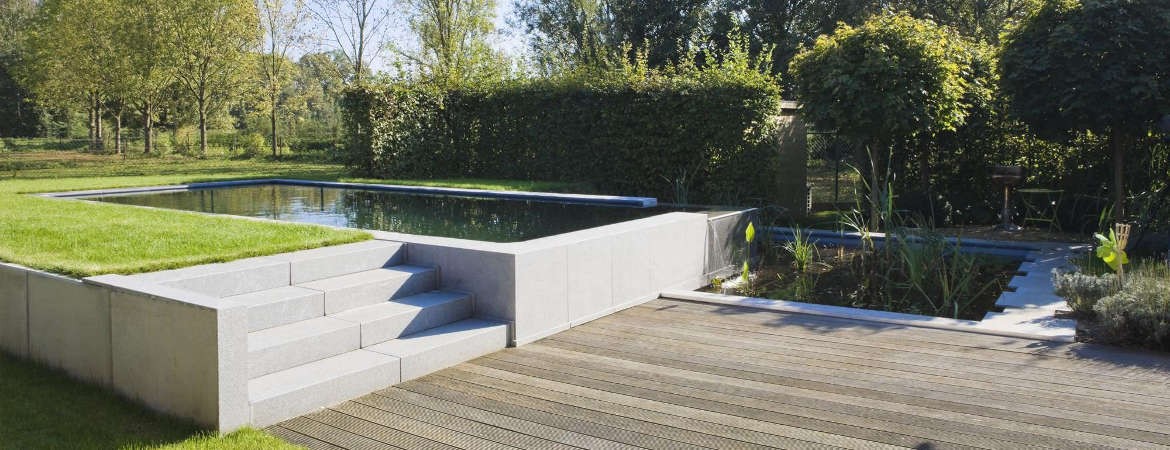
Top tip: Fit as much hard landscaping as your budget allows in one go. It’s disruptive and costly to redo once planting is established, whereas a planting scheme can always be built on later.
This is where good intentions tend to come unstuck. According to Checkatrade’s garden makeover cost guide, a full transformation of a typical rear garden can run from a few thousand pounds for planting and lawn work, up to £5,000 to £10,000 or more once paving, decking and design fees are factored in, and costs rise quickly once lighting, drainage or water features get added. Our guide to avoiding the common pitfalls when planning bigger home projects applies just as well to gardens as it does to extensions. Get proper quotes, and build in a contingency of at least ten per cent for anything that doesn’t go to plan.
Top tip: Obtain at least two written quotes before you commit to a figure, and build your contingency in from the start rather than tacking it on once costs are already rising.
If your plans include anything more than planting, such as a summerhouse, garden room or larger outbuilding, it’s worth checking what you’re allowed to build without formal planning permission. Rules on permitted development for garden outbuildings cover height, coverage and proximity to boundaries, and they catch out more people than you’d expect, particularly on corner plots or near listed buildings.
A garden designer or experienced landscaper earns their fee by spotting problems before they become expensive ones: drainage that needs solving before paving goes down, a change in level that needs retaining, access that’s too narrow for machinery. Seek quotes, ask to see previous work, and phase the project if the full scope doesn’t fit this year’s budget.
Top tip: Book landscapers early, as the best ones are often booked up months in advance, especially over spring and summer. A late start can push your whole project back a season.
A big garden only feels like an asset once it’s working for the way you actually live. Audit what you use and analyse what you actually need before you plan what you want, and always keep your hard landscaping and budget realistic. Get those decisions right first, and the fun part, the planting, the paving, the finishing touches, becomes a great deal easier.
Annie Button is a UK-based freelance writer specialising in property, sustainable living and well-being. Her work explores practical, realistic ways to create greener, healthier homes amid the realities of fast-paced modern living. A keen photographer, she has a particular interest in promoting positive lifestyle choices, one step at a time.

Live well with Moving and Improving