Sign up to our newsletter!
No matter if you are moving, or improving, our newsletter is packed with the best tips, tricks and ideas to help you dwell well.

Taking any underutilised area of your property and making it useful is one of the most rewarding projects you can undertake. For many of us, the space that would be most useful is a home gym that provides convenience, helps us avoid skipping the workout after a long day of work, and makes better use of an empty garage, spare room, or basement.
So, if you’ve kicked off the new year with a new-found motivation to get in shape and take control of your health, a home fitness suite could be the perfect DIY project for you.
Personal wellness is one of the leading home trends in 2026, so it’s no surprise that homeowners are looking to zhuzh up their homes with bespoke fitness spaces. This is so much more than just a dusty bike in the corner of a spare room though. Home fitness suites are professionally designed spaces that rival commercial gyms, both in functionality and ambience.
They’re also convenient. Taking time out to go to a gym after work is a struggle for many of us, not to mention the fact that commercial gyms are busy and can make exercisers feel self-conscious. Setting up a home gym gives you the freedom to workout whenever you want, in private, and without the accumulation of hefty membership fees.
Every home is different, so the space you have to set aside for fitness will depend on your property and your lifestyle. But there are several options. Spare rooms are an obvious choice if you’re lucky enough to have this space available, but you might also have a garden room that could be a great gym space or yoga studio, or a garage that isn’t being used to its full potential.
You’ll need ample ceiling height for jumping movements or tall equipment. Equally important is enough floor space for dynamic exercises and a reinforced base that can handle heavy treadmills or barbells. It can help to walk through the potential movements you might want to incorporate into your workouts to make sure you have room to move around freely and get a realistic sense of whether this space can accommodate your workout style.
Once you’ve chosen the space, turn to the infrastructure. Your flooring is, quite literally, your foundation and standard carpet or hardwood floors won’t suffice. Rubber tiling is durable, dampens the noise of your workouts, and will protect the subfloor too. For a deeper dive into which material fits your layout, this guide from UK Supreme Fitness breaks down the professional options.
You also need to make sure climate control is factored in. Workout in a stifling, airless room isn’t just uncomfortable for you, but it can result in mould problems from condensation. If you’re planning on transforming a garage for your home workout space, making sure it’s properly insulated can help to maintain a more consistent temperature, retaining heat during the winter and preventing it from becoming uncomfortably hot in the summer. Since the door is often the primary source of thermal loss, it's worth weighing up the benefits of insulated versus non-insulated models, as explained in this guide by Wessex Garage Doors.
Harsh overhead lights give an institutional feel that can quickly sap your energy, so opt instead for natural-spectrum LED lighting that mimics daylight and creates a more energising atmosphere that’s as conducive to morning workouts as it is to evening wind-down yoga sessions.
Once the foundations are in place for a warm and comfortable home gym, you can turn your attention to the fun task of curating your equipment. You don’t need every gadget or dumbbell on the market. Instead, focus on the ‘Big Three’: cardio, resistance training, and recovery tools. One piece from each group will give you the flexibility to create effective workouts. For example, for cardio, you might choose a treadmill, a rowing machine, or a stationary bike, which will boost your aerobic fitness.
For resistance or strength training, adjustable dumbbells are a great way to scale up your strength without needing to store multiple sets of weights. Alternatively, you might prefer a barbell and plates, depending on the exercises you’re most likely to engage in. Lastly, recovery tools like yoga mats, foam rollers and a mobility ball can either be used for a gentler workout or for stretching out after a more intense session.
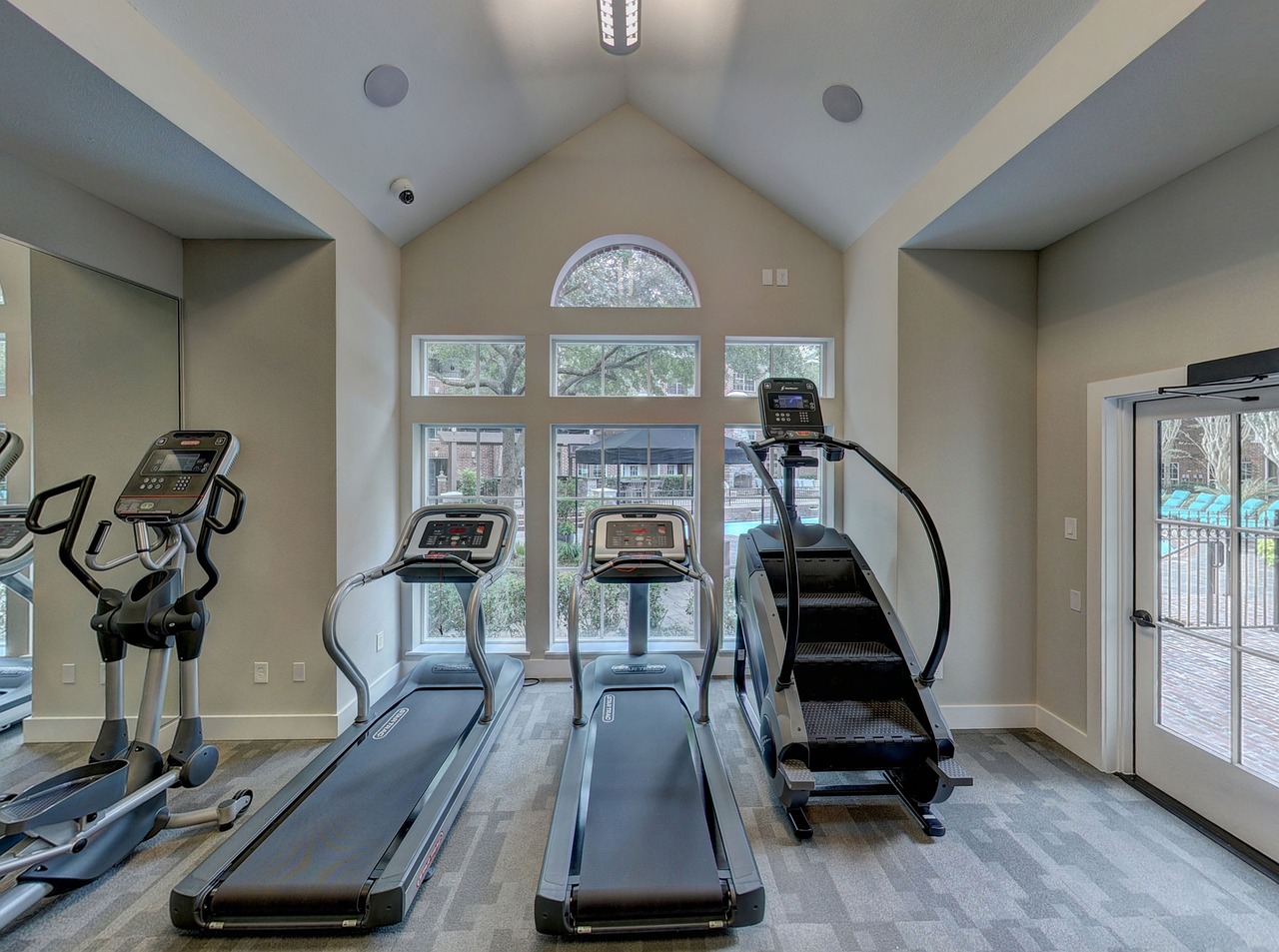
Storage is key in a home gym. Even if this is an area you’ve dedicated entirely to working out, you want to keep it organised and efficient. Wall-mounted racks keep weights off the floor, freeing up more space for exercise mats or floor-based workouts, while foldable benches can be stowed away when you’re not using them.
Don’t neglect aesthetic touches either. The beauty of a home gym is that you can tailor it to your own tastes, so add large mirrors to monitor your form, speakers for motivational music, and ambient lighting. These details make it a space you’ll want to spend time in, which will keep you on track with your fitness goals and make the space visually pleasing to potential buyers in the future.
No matter how you approach it, a dedicated home gym or fitness suite is an investment in your property and your health. As with any DIY project, approach it with proper planning, attention to building fabric, and thoughtful choices to create a space that rivals the very best luxury gyms and can support your health goals for years to come.
Live well with Moving and Improving