Sign up to our newsletter!
No matter if you are moving, or improving, our newsletter is packed with the best tips, tricks and ideas to help you dwell well.

Some of the most desirable homes in the country were never built to be homes at all. Mills, warehouses, chapels, schools and stables have all been turned into places people live, and their appeal means they sell fast when they come up.
They also come with a catch nobody mentions on the viewing. These buildings were designed around a job of work, and the job was rarely domestic. The proportions that make a converted mill feel extraordinary are the same proportions that make it difficult to heat, awkward to furnish and strangely hard to relax in. Get it wrong and you end up living in a very handsome shed.
The trick is knowing which problems to solve and which to leave alone. Here’s how to make a building that spent a century doing something else feel like home.
Rooms built for machinery, congregations or horses are rarely the size of a sitting room. You might have a single volume the length of a tennis court, or a ceiling at seven metres. Furnish that like a normal house and it will feel like a waiting room.
The answer is almost never partitions, which waste the thing you paid for. Define areas within the volume instead, using rugs, lighting, level changes and the backs of sofas. It’s the same thinking behind zoning an open plan space, applied at a much bigger scale. Oversized furniture helps here, as a sofa that looks enormous in a showroom will look rather more apologetic under a nine metre roof truss.
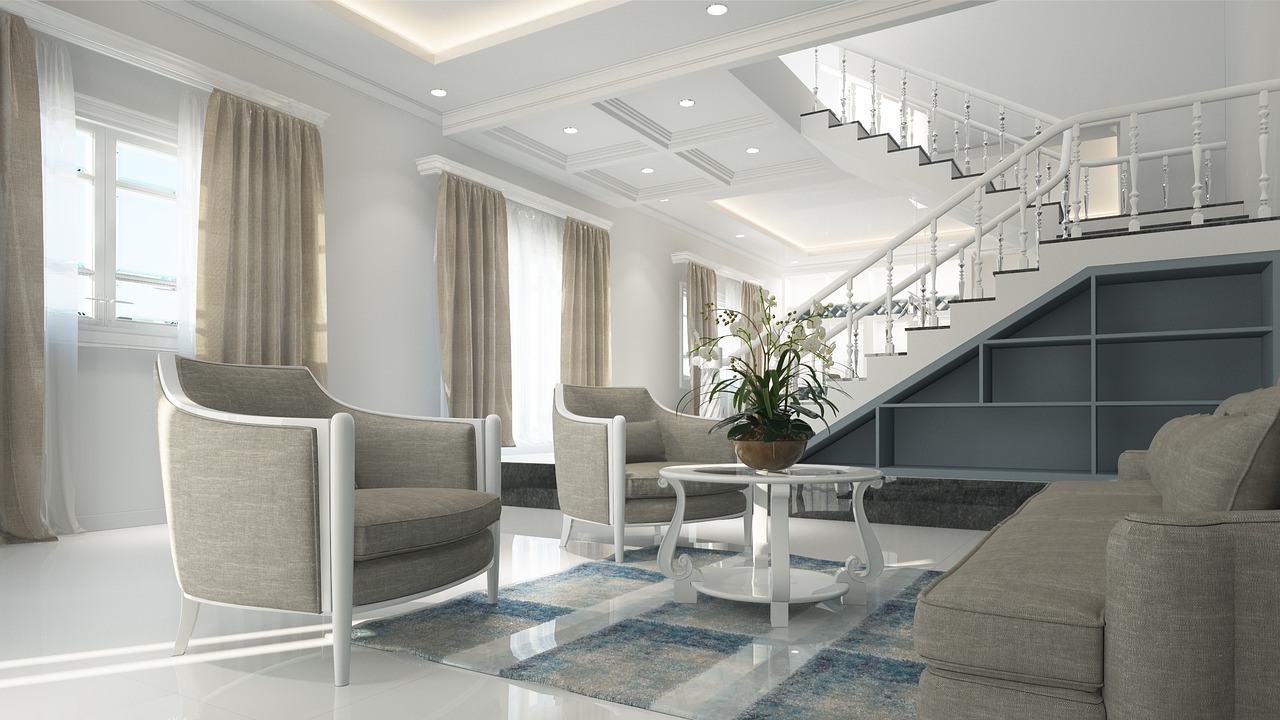
Brick, concrete, stone and steel are wonderful to look at and cold to live with. They hold the chill, they bounce sound, and a room full of them can feel unwelcoming even at a reasonable temperature. It’s the most common reason a conversion still feels like a workspace. Overcome the echo of a large space first, as once a room sounds warm it reads warm.
Soft materials offer a reliable fix. Heavy curtains, wool, felt, bookshelves and rugs all absorb sound and soften hard surfaces. Colour does a surprising amount of work too, particularly in tall spaces, and understanding how darker shades behave in a big room will draw you away from defaulting to white. Underfloor heating is also better suited to these buildings than radiators, because it warms the floor itself rather than fighting the volume of air above it.
Every old working building wears its purpose in its openings. A mill has enormous windows because the machines needed daylight and there was no electricity to provide it. A stable has small ones high up, because horses didn’t need a view. Warehouses often have great runs of glass on one elevation and blank brick on the other three.
That pattern decides where you can sensibly put a bedroom, a bathroom or a desk, and it’s usually the one thing you can’t change, because openings are exactly what planners guard most closely. So borrow from a building type that cracked this decades ago. London’s mews houses started out as stables with barely a window to their name, and the solutions that turned them into homes come up again and again. Glass floors drop daylight down through the storeys, rooflights go in where a wall opening was never going to be approved, and open plan layouts let a single window do the work of three. None of that is specific to mews properties of course. It works just as well in a chapel or a warehouse.
Plenty of these buildings are listed, and many more sit in conservation areas, which changes what’s possible. Listed building consent is needed for alterations affecting a building’s special interest, and in some conservation areas an article 4 direction restricts work that wouldn’t normally need permission at all, even replacing a window with one of similar design. Historic England updated its guidance in February 2026 on what tends to get approved when you upgrade an older building, covering insulation, heat pumps, draught proofing and window changes. Read it early rather than after you’ve paid for drawings.
If the building hasn’t been converted yet, there’s a further layer. Changing a building from one use class to another generally needs planning permission, and so does most of the external work that comes with it. The Planning Portal’s summary of when permission is required and when it isn’t is the right place to start.
Not every industrial detail deserves to survive. Some are beautiful, some are simply cold, and telling them apart is most of the job. Roof trusses, cast iron columns, loading doors, exposed brick and worn timber floors carry the story of the building and are worth keeping. Single glazed metal windows, bare concrete underfoot and uninsulated roof decks carry nothing except your heating bill.
The conversions that work are the ones where somebody made that call on purpose, instead of stripping the lot back or keeping everything out of nervousness. That balance is what separates a conversion that feels like a home from one that feels like a photoshoot.
A building that has changed once can change again, and that’s rather the point. These places survived because each generation found them a new job to do. Give yours one that suits the way you live, and you’ll have something no developer could build from scratch.
Annie Button is a UK-based freelance writer specialising in property, sustainable living and well-being. Her work explores practical, realistic ways to create greener, healthier homes amid the realities of fast-paced modern living. A keen photographer, she has a particular interest in promoting positive lifestyle choices, one step at a time. 
Live well with Moving and Improving