Sign up to our newsletter!
No matter if you are moving, or improving, our newsletter is packed with the best tips, tricks and ideas to help you dwell well.

Despite the gardening season in winter coming to a halt and slowing down in most people’s minds, this shouldn’t necessarily be the case. While you might spend less time pulling up weeds or planting new shrubs, for anyone with a garden or green outside space, there are certain plants and pests to watch out for even in the coldest months of the year.
Every garden, large or small, is unique and personal to its owner. So, to protect your garden from pests and plants that can plague winter gardens, it is worth knowing what to look out for. In this article, we take a look at the top 5 invasive plants and pests that can blight your outdoor areas and even damage property, along with tips on how best to deal with the problem.
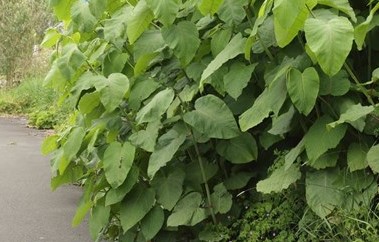
The Number One bogeyman of the gardening world must surely be Japanese knotweed. This non-native species was introduced to the UK in the 19th century as an ornamental plant and has no natural enemies here. With a root system that is both extensive and strong, this fast-growing perennial weed can grow up to 10cm a day (!) and force its way through concrete as well as damage underground drains and house foundations.
Under the 1981 Wildlife and Countryside Act, it’s actually an offence to grow it. For property owners and potential buyers, the presence of knotweed can cause untold structural problems and may even render the property unmortgageable. If ever there was a convincing argument to get a survey before you buy, this must surely be it.
Getting rid of Japanese knotweed is anything but easy. Digging the weed out is the most environmentally-friendly method but if the tiniest bit of rhizome is missed, it can produce an entirely new plant. Even with the application of a suitable herbicide, it will still take several years to eradicate the plant.
TIP
Removing the scourge of Japanese knotweed from your property is definitely a professional job. Instruct a knotweed removal specialist who will provide a 5-10 year insurance-backed guarantee underwritten by a rated insurer, which will be acceptable to mortgage lenders.
Giant hogweed originates from Southern Russia and Georgia, and is a tall, cow parsley-like plant that can reach over 3 metres in height. Its thick, bristly stems are often purple-blotched with flat-topped clusters of white flowers that can look quite attractive. It’s an impressive sight, most often found in gardens that are near infested woodland, heathland or common land, but is an invasive and potentially harmful species. In particular, chemicals in the sap can cause photosensitivity or dermatitis, resulting in nasty skin burns, blistering, pigmentation and long-term scarring. While there is no statutory obligation for property owners to eliminate giant hogweed, it is listed in the Wildlife and Countryside Act 1981, meaning it’s an offence to grow it in the wild. Local authorities can use their powers to have giant hogweed removed in certain circumstances.
Removing giant hogweed can be done by suppressing with mulch, or by digging out. Try pulling up young plants in May when the plant has reached a reasonable height but not yet produced flowering spikes. Chemical controls can be used if all else fails.
TIP
Don’t even think about going anywhere near giant hogweed without first protecting your arms and legs, wearing gloves and a face mask. Bear in mind that cut plant waste, contaminated clothing and gardening tools are potentially hazardous too, so dispose of them carefully and wash any skin that comes into contact with the plant immediately.
Another non-native invasive species that can cause havoc in the garden all year, Himalayan balsam is in fact the largest annual plant in Britain, growing from seed to up to 2.5 metres in a single season. A relative of the Busy Lizzie, its purple policeman’s helmet-shaped flowers on reddish stems can be seen alongside rivers and are often found in gardens that back onto a water course.
Himalayan balsam spreads quickly, producing a staggering 800 seeds every year, each of which can survive for up to 2 years. This pretty wildflower doesn’t need much sun to thrive and can rapidly outcompete native plants for nutrients and displace other vegetation. Once established, it can be very difficult to get under control.
The best way to tackle Himalayan balsam is by removing existing plants and preventing the spread of seed. Cut individual plants and let them lie on the ground in the sun for several days so they dry out, then put them in the compost. Herbicides will also work but should only really be used as a last resort.
TIP
Timing is key for the most effective way to control this plant in your garden. Cut down Himalayan balsam by hand and definitely take action before the seeds have matured and are ready to spread.
Let’s move over to looking at destructive pests in the animal kingdom, starting with aphids, often better known as greenfly or blackfly. Aphids will eat pretty much anything. These small bugs reproduce rapidly and feed on foliage and stems. Common visual symptoms of aphid attack include yellow, speckled, mottled, brown and/or wilted leaves. What’s more, because of the way aphids feed, they can increase the likelihood of viral and bacterial disease on the plant.
Spray insecticides are commonly available to deal with aphids. If you are committed to nurturing an eco-friendly garden whatever season of the year it is, there are plenty of chemical-free ways to tackle the problem too that are much kinder to the environment. Try simply blasting the little blighters with a spray of water from your garden hose to dislodge them from the plant. Or put out a yellow bowl of soapy water. The colour is important because aphids are attracted to the colour yellow and will willingly jump into the water where they will drown.
TIP
Look for the most natural pest control solution to your aphid problem and explore other tips for getting rid of aphids too.
Finally, no article on garden pests would be complete without mentioning one of the most irritating and pernicious of them all. Slugs and snails are small molluscs (snails have shells, slugs do not) that may be slow and slimy but don’t be fooled into thinking that they are harmless. In fact, they can make gardening pretty miserable.
Slugs and snails will leave behind holes in plant foliage, particularly during wet weather. They prefer young, juicy leaves and can decimate home-grown crops overnight! Meanwhile, if you find a slippery trail on your floorboards inside your property, they may have found their way through a small gap or hole into your home. While they are not destructive like Japanese knotweed, you might want to find ways to get slugs out of your house!
Getting rid of slugs and snails in your garden can be an uphill battle. Sprinkling snail pellets are an easy fix, but they pose very real risks to birds and mammals such as hedgehogs, and most are now banned from use in the UK. Luckily there are plenty of alternative solutions you can try including setting beer traps, releasing nematodes or sprinkling salt, or putting up physical barriers such as copper tape (toxic), egg shells (prickly) or WD 40 (slimy). It’s a case of trial and error.
TIP
The most natural solution is to work with the environment. Introduce plants that are natural slug and snail repellents such as ferns and hydrangeas, lavender and rosemary. Encourage badgers, birds and hedgehogs into your garden, or keep chickens (or even ducks), to reduce the slug population naturally.
Live well with Moving and Improving