Sign up to our newsletter!
No matter if you are moving, or improving, our newsletter is packed with the best tips, tricks and ideas to help you dwell well.

Swimming pools have long been a desirable feature for the home, adding luxury to outdoor spaces, and with the rise in wellness amenities within the home, their popularity is likely to increase even further.
However, a successful swimming pool project isn’t decided on the day of installation. It’s decided in the weeks and months beforehand. This checklist takes you through the key phases of a pool installation to ensure your garden is fully prepared, so the vision you started with is the one you end up with.
Before you can start the fun task of designing your dream pool, you need to think about logistics. Preparation is essential, as this guide from swimming pool builders Compass Pools explains in further detail. A standard pool excavation requires heavy machinery weighing several tonnes, and a clear, stable route from the access point to the dig site.
If your garden is accessed via a narrow side path, beneath a low-hanging structure, or across a section of existing paving or lawn that needs to be lifted and reinstated, these aren't minor inconveniences. They're features that can add thousands to your total project cost before a single cubic metre of soil has been removed. Walk your site with a contractor early on and ask the question directly: can the machinery get in, and what's the reinstatement plan to protect your property throughout the project?
Gardens have more infrastructure than we often realise, from drainage runs and gas and water supplies, to high-voltage electrical lines in some cases. Striking a utility line mid-excavation isn’t just dangerous, it’s also expensive to fix and causes project delays.
Before works begin, make sure you commission a full survey to identify any utilities or underground risks that need to be rerouted or worked around. Where possible, it may be worth positioning the pool elsewhere to avoid hazards and ensure the project runs smoothly.
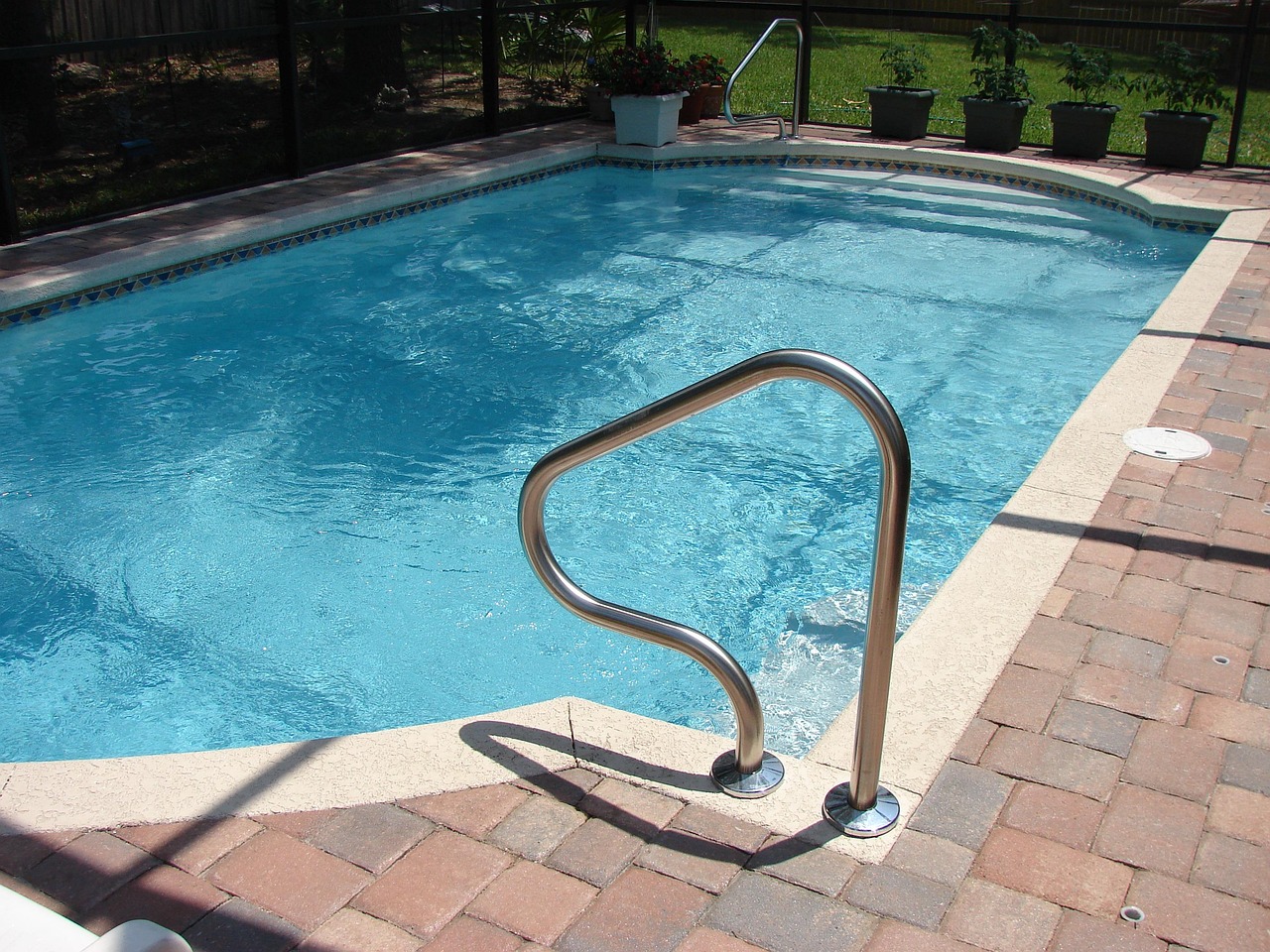
The ground itself is one of the most consequential factors in pool installation, and it's one that homeowners rarely think to question. Clay-heavy soils expand and contract considerably across the seasons, while sandy or loose ground can shift under heavy loads.
The type of pool shell best suited to your property isn’t about aesthetics; it’s dictated by what lies beneath it. A shell that performs well in stable ground runs the risk of cracking or moving in reactive soil, and once installed, rectifying the problem is an enormously disruptive and expensive undertaking.
Not all pool materials are created equal, and the British climate places specific demands on the construction. Steel and concrete pools are widely used, but they can be vulnerable to corrosion and cracking over time when the groundwater conditions are less than favourable.
Carbon-ceramic and composite shells offer an entirely different set of performance characteristics. They’re inherently more flexible, so they absorb minor ground movement without fracturing, and they’re lightweight and non-corrosive.
Whichever option you choose, look beyond the upfront cost and consider its long-term durability, thermal performance, and maintenance requirements. Do your research into how your chosen material will behave over decades so you can avoid structural defects down the line.
Homeowners often assume that a garden pool falls under permitted development rights, and in many cases, it does. However, the rules are more nuanced than that. Pools that sit within the grounds of a listed building or in a designated area such as a conservation zone, or an Area of Outstanding Natural Beauty, will typically require full planning permission regardless of size.
Even in standard residential settings, there are factors to think about like proximity to boundaries, the proportion of the garden being covered, and any nearby structures such as pool houses can push a project into formal planning territory.
Submitting retrospectively, or discovering mid-build that you need consent for your installation, can halt a project entirely. To navigate these complexities, it pays to engage with your local planning authority or an independent specialist like Town Planning Experts before you start work. Taking this step early removes the risk and ensures that your installation proceeds without legal interruption.
A swimming pool is one of the most complex home improvement projects available to a residential homeowner, but it can also provide years of enjoyment if you plant well from the start. The key to success is creating a clear, cohesive design that takes the surrounding environment and your local climate into consideration.
If you want a swimming pool you’re genuinely proud of, one that feels intentional rather than added on, and that you can use for decades without needing to replace it, invest the
Live well with Moving and Improving