Sign up to our newsletter!
No matter if you are moving, or improving, our newsletter is packed with the best tips, tricks and ideas to help you dwell well.

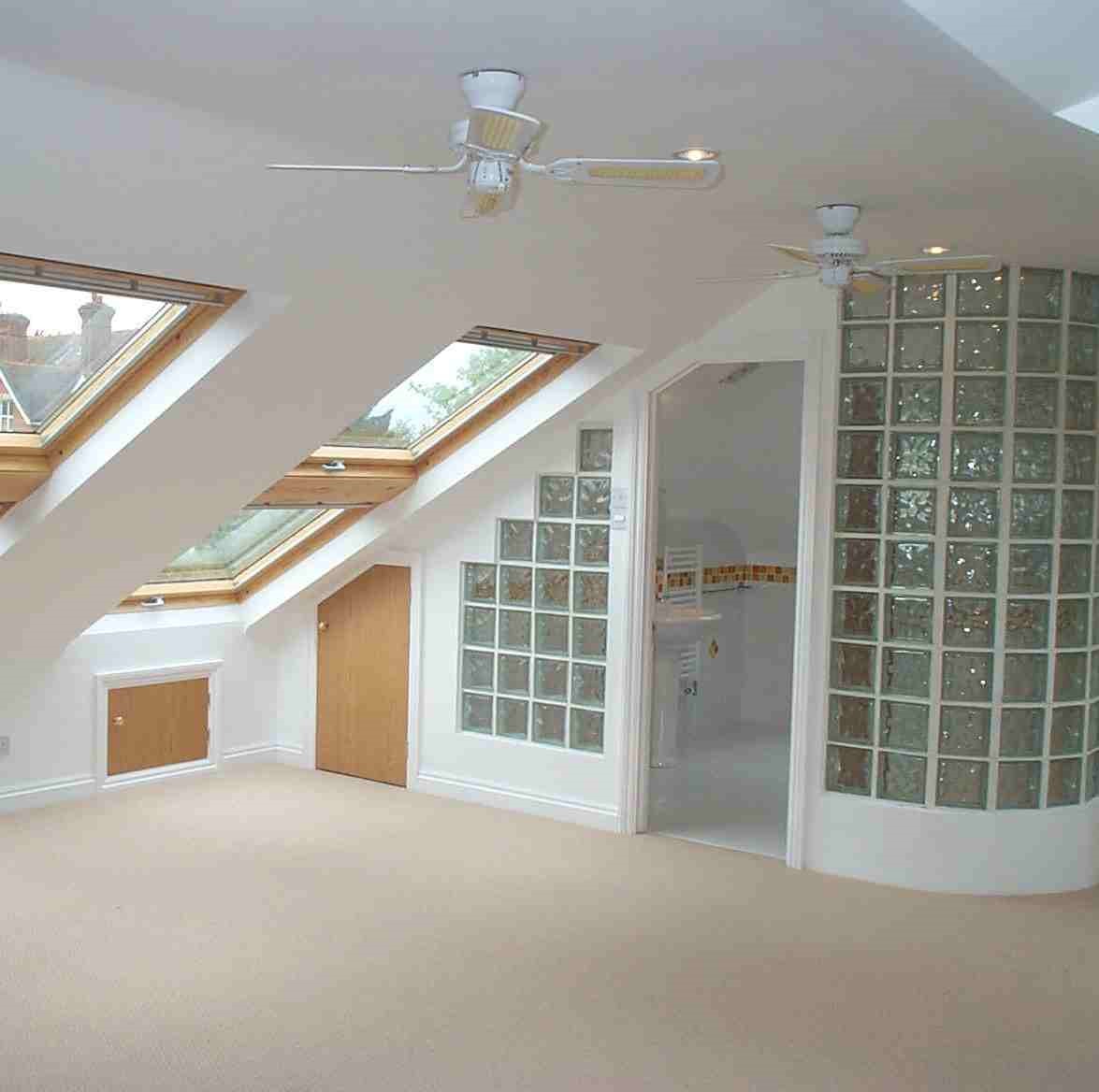
Taking on a complex construction project always means adhering to stringent building laws and regulations, which can be challenging. In 2026, those reforms are changing and it will impact how individuals and developers alike gain planning permission for new homes and improvements like loft conversions or extensions.
Ultimately, the goal is to reduce delays, simplify procedures, and provide clearer routes for small-scale housing projects or self-builds. From land access and planning fees to new environmental requirements, these are the updates to planning that every UK homeowner needs to pay attention to.
The planning reforms coming into effect this year should in practice make gaining planning permission a quicker and more predictable process. From streamlined consultations to sustainability measures aligned with the Future Homes Standard, these changes are designed to give builders and homeowners greater confidence.
Success in this new landscape boils down to one thing: early-stage strategy. To truly benefit from a faster system, you need to engage with your local authority early, get a grip on your specific area's design codes, and weave biodiversity requirements into your plans from day one.
If you're currently in the 'fact-finding' phase, the home renovation FAQs from the specialists at Bramdean Construction are a great starting point. While the 2026 reforms aim to speed up the legal side, Bramdean’s team provides the professional insight needed to map out realistic structural works and costings, helping you build a bespoke delivery timeline that accounts for these new regulatory hurdles.
One welcome change for homeowners and self-builders is the push to make the consultation process faster and less bureaucratic. Under the current system, a single unresponsive consultant could hold up your application for weeks or months at a time. But the 2026 reforms aim to fix this by allowing councils to progress applications, even when some consultees haven’t responded within the required window.
Pre-application processes are also intended to be streamlined, with the government promising to reduce the overall time it takes to move from initial enquiry to a final planning decision. For homeowners planning extensions or new builds, this could mean fewer frustrating hold-ups at the early stages, as long as the application itself is well-prepared and aligns with local policy from the start.
The planning reforms set for this year include new guidance to promote environmentally responsible construction. The Future Homes Standard is expected to fully come into effect later this year which requires newly built homes to achieve significantly higher levels of energy efficiency and produce lower carbon emissions.
Under these updated regulations, new properties will generate 75–80% fewer carbon emissions than homes built under previous standards. This shift doesn't just support the government’s net-zero goals; it ensures your home is significantly cheaper to run. These reforms are intended to give self-builders the tools to integrate eco-friendly technology from the start without the worry of added planning delays.
The reforms place increased importance on local plans and design codes. These are the documents that set out how areas should grow, what types of development are encouraged, and what design standards new projects need to meet. Neighbourhood planning frameworks and design guidance are expected to play a larger role in shaping decisions for small-scale developments, which includes home improvements and extensions.
Ultimately, if clearer expectations are provided at a local level, policymakers can reduce disputes and make planning outcomes more predictable for applicants. For the savvy homeowner, this means the 'discovery phase' is now the most critical part of the build. Don't wait until the final drawings are done; ensure your architect or planning consultant audits the specific local design codes at the sketch stage. It’s the ultimate shortcut to protecting your budget and your timeline.
One of the most significant additions to the planning process is the requirement for Biodiversity Net Gain (BNG), which was introduced under the Environment Act 2021 and made mandatory for most planning applications in England from early 2024.
In simple terms, BNG requires that any development, including home extensions requiring planning permission, need to result in a measurable improvement to local biodiversity, essentially leaving it in a better state than it was before.
While most householder extensions (like a typical kitchen extension or loft conversion) are actually exempt from the formal 10% BNG statutory requirement, many local councils have implemented their own green infrastructure policies that require eco features regardless of the national exemption.
So, you may now need to submit a biodiversity assessment and propose the measures you’ll take to compensate for the build, whether that’s in the form of additional planting, swift bricks, or bat boxes. This is especially relevant to larger projects or extensions in sensitive habitats.
The 2026 reforms mark a new era for the British home, where sustainability and local character take center stage. While navigating these updates requires a bit more upfront strategy, the reward is a faster, more predictable path from your initial sketches to the finished build. By embracing these changes and seeking expert guidance early, you can take the stress out of the planning process and focus on what really matters: creating a beautiful, modern space that truly enhances your lifestyle.
Annie Button is a UK-based freelance writer specialising in property, sustainable living and well-being. Her work explores practical, realistic ways to create greener, healthier homes amid the realities of fast-paced modern living. A keen photographer, she has a particular interest in promoting positive lifestyle choices, one step at a time. 
Live well with Moving and Improving